A warehouse handling solvents, LPG, coatings, chemicals or combustible dust needs more than a hoist with a higher load rating. You will be able to identify when flameproof lifting is justified, match the equipment to your hazardous-area classification, compare its trade-offs with a standard electric hoist, and verify the documents before installation.
Key takeaways
- Classify gas or dust hazards before selecting the hoist.
- Match equipment group, temperature class and EPL to the site.
- Compare rated capacity, duty cycle, speed and maintenance access.
- Verify certification, inspection records, earthing and enclosure condition.
When Does an Ahmedabad Warehouse Need Flameproof Lifting Equipment?
An Ahmedabad warehouse needs flameproof lifting equipment when its materials or processes create a credible ignition hazard, not merely because it lifts heavy loads. Start with the site’s gas or dust area classification, substance, equipment group, temperature class and Equipment Protection Level before choosing capacity.
Typical triggers include:
- Solvent storage, paint or coating work, LPG or fuel handling, chemical transfer and vapour-producing processes.
- Grain, flour, coal, pharmaceutical powder or metal dust that can form a combustible cloud or settle on equipment.
Gas/vapour areas and dust areas require different protection:
| Area | Hazard | Classification check |
|---|---|---|
| Gas or vapour | Flammable vapour near solvent, fuel or chemicals | Zone 0, Zone 1 or Zone 2, gas group, temperature class and EPL |
| Combustible dust | Grain, flour, coal, pharmaceutical or metal dust | Dust zone or division, dust group, maximum surface temperature and enclosure protection |
Flame proof hoist lifting reduces the chance that motors, brakes or controls become ignition sources, supports controlled lifting in classified areas and improves confidence during routine movement. A Zone 2 gas classification does not automatically cover Zone 1 or combustible dust.
A “flame proof hoist for benefits in ahmedabad” assessment therefore starts with classification, not a catalogue rating.
Ventilation, gas detection, earthing, fire controls, housekeeping and statutory requirements remain separate safeguards. A hoist cannot make an unsafe warehouse safe.
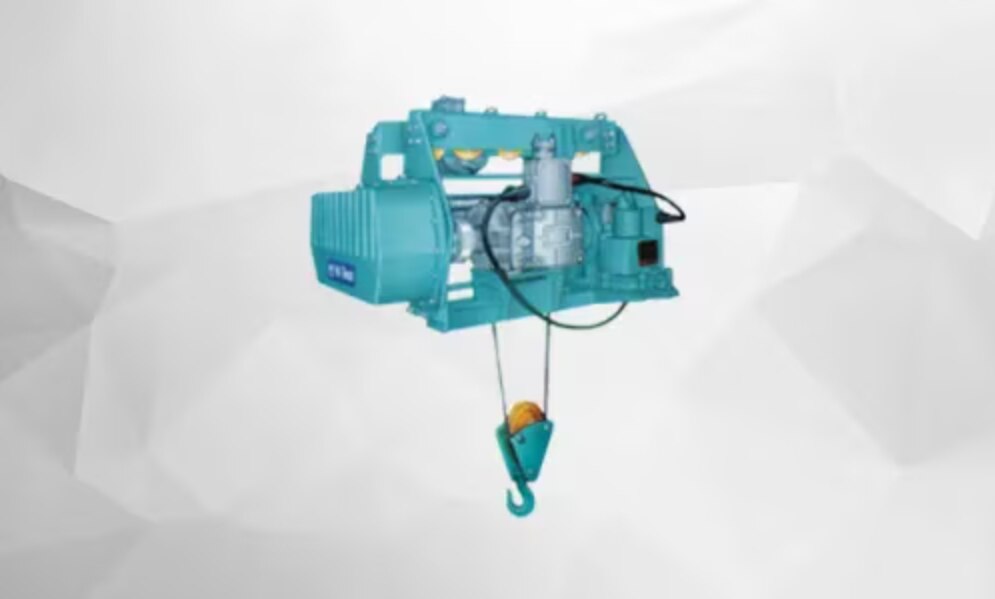
What Actually Makes a Hoist Flameproof?
A hoist is flameproof because its protection contains an internal explosion and stops flame transmission through designed flame paths. In an Ex d enclosure, accurately machined joints, threaded covers and strong housings prevent ignition from reaching the surrounding gas or vapour.
Check the complete protection chain, not just the motor:
- Motor and brake
- Contactors, limit switches and pendant control
- Cable glands, junction boxes and covers
- Certified fasteners, blanking elements and earthing points
An Ex d motor paired with ordinary controls does not make the complete hoist suitable for a hazardous area. Every electrical component and cable entry must match the area classification and preserve the certified enclosure.
Flameproof protection is different from spark-proof or non-sparking construction. The latter uses selected non-ferrous mechanical parts to reduce impact or friction sparks; it does not contain an internal explosion. IP65 or IP66 protection only limits water or dust entry, so an IP-rated enclosure alone proves nothing about explosion containment.
Gas and vapour applications commonly use Ex d concepts. Combustible-dust areas require protection such as Ex t, with the correct dust group and maximum surface temperature; do not transfer a gas specification to grain, flour, coal, pharmaceutical-powder or metal-dust service.
For flame proof hoist lifting, verify the certificate and every component before selecting material handling hoists in Ahmedabad. A suitable rating protects the whole hoist, not a single box.
How Do You Match the Hoist to the Hazardous Area and Workload?
Match the hoist to the classified atmosphere before choosing capacity. Record the substance, Zone 0, Zone 1 or Zone 2 classification, applicable dust zone or division, equipment group, temperature class and Equipment Protection Level.
| Specification | Record | Why it matters |
|---|---|---|
| Substance and area | Gas, vapour or dust; zone or division | Confirms the protection category |
| Temperature | Site ignition temperature and certified surface-temperature class | The hottest component controls suitability |
| Workload | SWL, duty class, load spectrum and starts per hour | Prevents overheating and premature wear |
| Installation | Beam or crane, runway, headroom and load path | Confirms structural compatibility |
The highest-temperature component—motor, brake, resistor, terminal box or drive-related equipment—must remain below the material’s ignition temperature. A gas Zone 2 certificate does not automatically cover Zone 1 or combustible dust.
For hoists in Ahmedabad, specify lift height, lifting and travel speeds, reeving, hook block, drum, supporting beam or crane, headroom, load type and frequency of lifts.
For material handling hoists in Ahmedabad, compare the site temperature with the certified ambient range and obtain the manufacturer’s duty curves or derating data; do not apply a generic percentage.
A variable-frequency drive needs certification approval for its complete operating frequency range, cooling method, braking energy, bearings and cable glands. Check the hoist, attachments, runway and crane structure as one load path: the SWL must suit every link, not just the hoist nameplate.
What Are the Trade-Offs Compared with a Standard Electric Hoist?
For an ordinary non-hazardous warehouse, a flameproof hoist is usually the wrong choice: it adds certified components and maintenance controls without solving an ignition risk the site does not have. The added protection becomes worthwhile when lifting occurs near vapours or combustible dust.
| Option | Standard electric hoist | Flameproof hoist |
|---|---|---|
| Purchase cost | Lower; ordinary motors, controls and spares | Higher; certified motor, brake, glands, controls and enclosures |
| Lifting speed | More choices at lower cost | Speed and duty choices are constrained by certification and heat limits |
| Controls | Pendant, contactors and limits are simpler to replace | Every electrical item must match the hazardous-area approval |
| Inspection and maintenance | Faster access; routine checks dominate | Longer inspection; flame paths, covers and glands need controlled handling |
| Spares | Widely available and cheaper | Approved, configuration-specific parts may require longer procurement |
In a classified warehouse, select equipment for the actual zone, gas or dust group, temperature class and EPL. It supports controlled lifting and reduces ignition exposure; it does not make incidents impossible. For buyers researching flame proof hoist for benefits in ahmedabad, compare the complete installation rather than a motor alone.
The same discipline applies when comparing hoists in Ahmedabad.
Installation still requires correct cable glands and blanking elements, ventilation, gas detection, earthing continuity, fire protection, housekeeping and an approved electrical installation.
Routine mechanical inspection must cover:
- Rope, drum winding, hook throat and latch, sheaves and gearbox leakage
- Brake air gap, overload protection, upper and lower limits and emergency stop
- Earthing continuity and runway end stops
How Should You Verify a Flameproof Hoist Before Purchase and During Service?
Before you approve a flameproof hoist, verify the exact equipment and its paperwork, not a supplier’s generic brochure. If your search is “flame proof hoist for benefits in ahmedabad,” use this checklist for material handling hoists in Ahmedabad:
1. Request the nameplate, Ex or protection marking, certificate number, hazardous-area approval documents, motor and brake details, test certificate, load-test record, maintenance manual, inspection interval, rope and hook specifications, IP rating, control voltage and spare-parts list.
Check whether Petroleum and Explosives Safety Organisation (PESO) requirements apply to the premises; PESO approval does not replace product certification, area classification or installation compliance.
2. Match every document to the installed configuration: motor, brake, pendant, contactors, limit switches, cable glands, junction boxes, covers, fasteners and any variable-frequency drive. Confirm the certificate covers the stated zone, gas or dust group, temperature class, EPL and drive arrangement. Reject paperwork that identifies only the hoist model while omitting attached control gear.
3. During service, isolate power before opening prohibited enclosures. Inspect flame paths, threaded covers, bolts, cable entries and joints for impact damage, corrosion, unauthorized machining, missing fasteners, paint or debris. Record the brake air gap, rope condition, drum winding, hook and latch condition, earthing continuity, limit operation, overload protection, emergency stop and runway end stops.
Hi-Tech Industries adds practical value when it designs, supplies, installs and commissions the complete load path, then hands over configuration-matched records rather than quoting an isolated hoist.
Related products
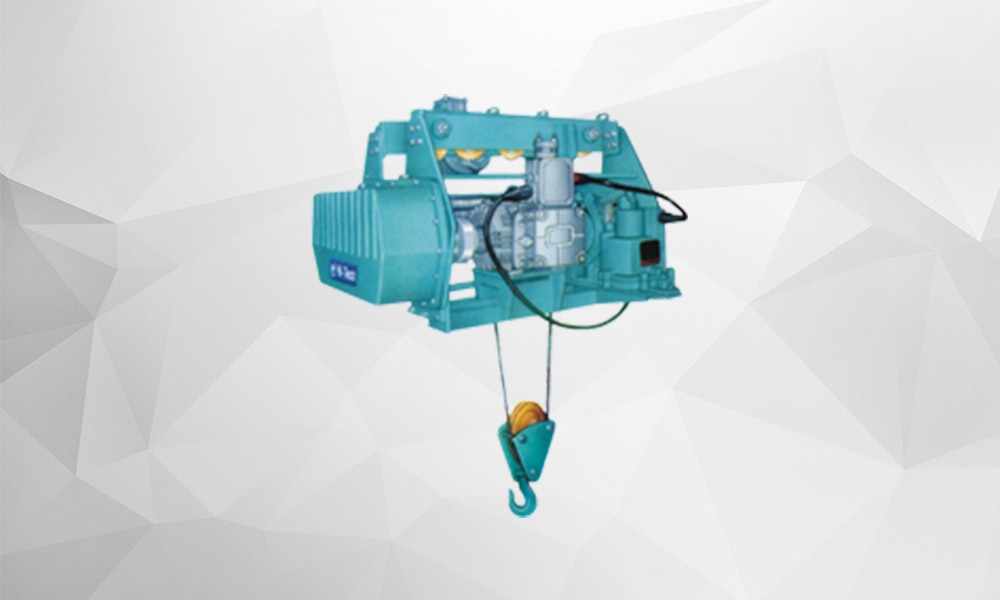 | Hoist A Flame Proof (FLP) Hoist is a specialized material handling system designed to operate safely in hazardous environments. View product → |
 | Spark proof Hoist Hi-Tech Spark Proof Hoist: Engineered for Hazardous EnvironmentsDesigned for maximum safety in highly flammable and explosive environments, the... View product → |
Frequently asked questions
When does an Ahmedabad warehouse need flameproof lifting equipment?
Use it when stored materials or warehouse processes create a credible gas, vapour or combustible-dust ignition hazard. Confirm the zone or division, substance, equipment group, temperature class and Equipment Protection Level before selecting equipment.
What makes a hoist flameproof?
A flameproof hoist uses certified protected electrical and mechanical components. An Ex d enclosure contains an internal ignition and limits flame transmission through engineered joints, while the complete hoist must meet the site’s required protection marking.
How do you match a flameproof hoist to the hazard and workload?
Match the hoist marking to the hazardous-area classification, gas or dust group, temperature class and EPL. Then check rated capacity, lift height, lifting speed, duty class, starts per hour, load spectrum, travel arrangement and ambient conditions.
What should you verify before buying and servicing a flameproof hoist?
Request the certificate, nameplate, protection marking, inspection records, test documents, wiring drawings and maintenance instructions. During service, inspect flamepaths, cable glands, earthing, brakes, limit switches, seals, fasteners and enclosure damage without altering certified parts.
Keywords