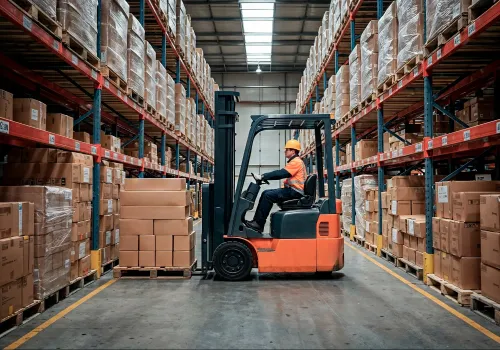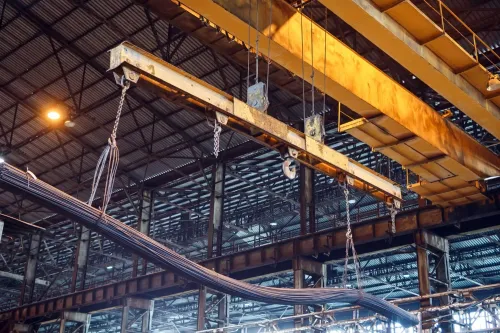
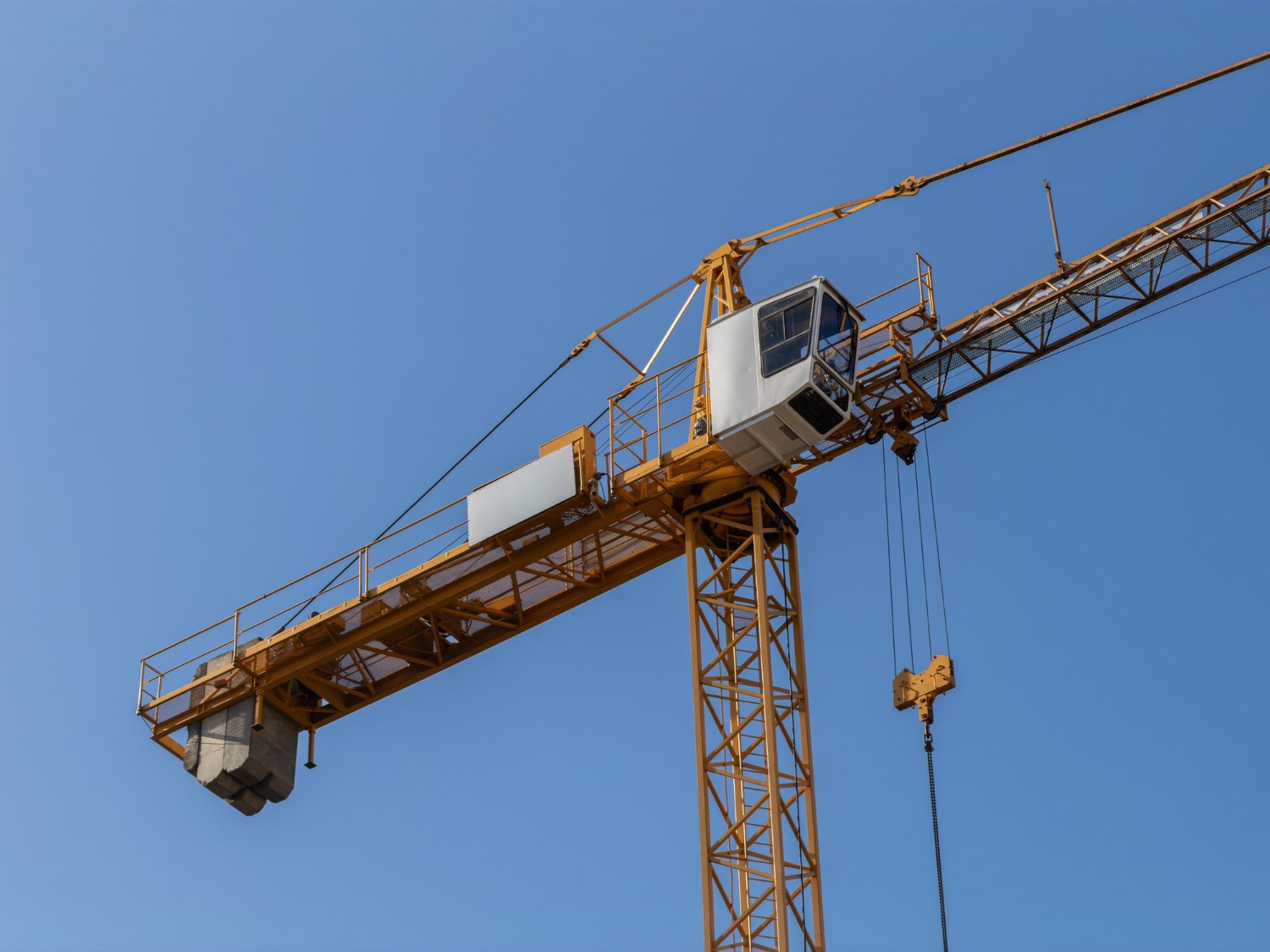
A new production facility creates an opportunity to plan material movement before machinery, storage areas, and workstations become fixed. An expanding factory presents a different challenge: new lifting equipment must often fit around an existing layout.
In either situation, selecting the right Industrial Crane requires coordination between production planning, structural requirements, material flow, and future capacity.
For growing manufacturing businesses in Ahmedabad, Gujarat, early crane planning can prevent expensive layout compromises later.
Map Production Before Choosing Equipment
Start with the manufacturing process.
Identify where raw materials arrive, where machining or fabrication takes place, where assembly occurs, and where finished products are stored or dispatched.
Then determine which loads require mechanical lifting.
This process often reveals whether one crane can serve the complete bay or whether separate handling solutions would be more practical.
Establish Technical Requirements
A manufacturer will typically need clear application information before recommending equipment.
Prepare details covering:
- Maximum lifting capacity
- Typical load
- Building or bay dimensions
- Crane span
- Required hook height
- Frequency of lifting
- Travel distance
- Indoor or outdoor use
- Operating environment
- Available electrical supply
Providing accurate information at this stage can improve quotation quality.
Consider Headroom Early
Headroom becomes especially important where building height is restricted.
If lifting requirements are considered only after the building or production layout has been finalised, the available vertical space may restrict equipment options.
For new factories, coordinating crane requirements with structural planning can therefore be valuable.
Evaluate Expansion Possibilities
Ask what production may look like several years after installation.
Will product weight increase? Could additional machinery be added? Might a currently unused part of the bay later become part of production?
Future planning does not mean automatically purchasing unnecessarily oversized equipment. It means identifying realistic expansion requirements before fixing the crane arrangement.
Evaluate the Supplier's Technical Process
A serious industrial crane discussion should go beyond a catalogue and price.
The supplier should be able to discuss application requirements, dimensions, duty, movement, installation considerations, controls, testing, and service requirements.
HI-TECH INDUSTRIES manufactures industrial lifting and material handling solutions for businesses in Ahmedabad and surrounding industrial areas of Gujarat.
Companies preparing for a new plant or expansion can make the supplier discussion more effective by involving engineering and production teams early.
An Industrial Crane becomes part of the facility's working infrastructure. Selecting it around the real manufacturing process—not merely its rated capacity—helps ensure that the equipment supports practical material movement once production begins.
Keywords