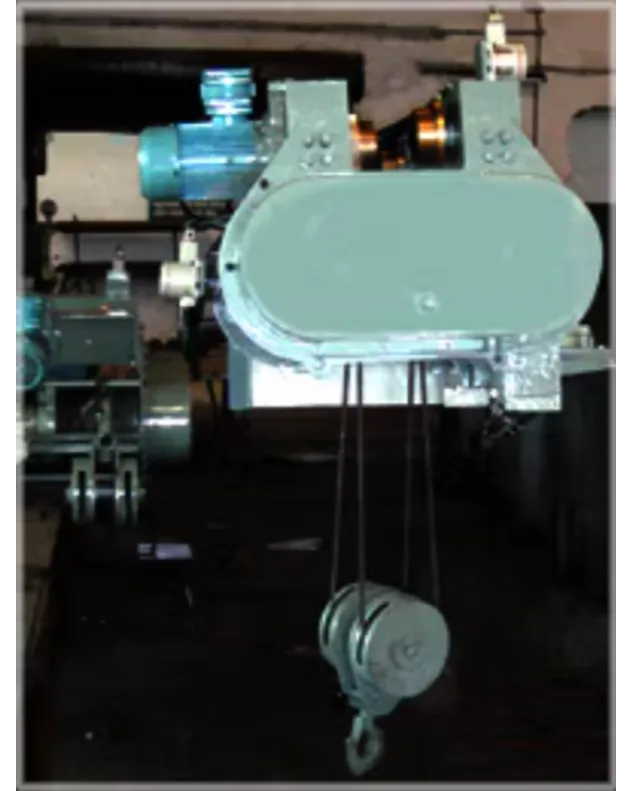
A hoist performs a straightforward but critical job: raising and lowering a load in a controlled manner. Although the basic function sounds simple, industrial hoists differ considerably in capacity, operating method, lifting speed, duty requirements, and application.
For factories and engineering businesses in Ahmedabad, Gujarat, understanding these differences can make equipment selection more practical.
What Does a Hoist Actually Do
A hoist provides vertical lifting. Depending on its configuration, it may operate independently at a fixed position or form part of a larger material handling system where the load can also travel horizontally.
Common industrial applications include lifting:
- Machine components
- Motors and pumps
- Dies and tools
- Fabricated parts
- Raw materials
- Maintenance equipment
- Assemblies during production
The appropriate solution depends on how the load needs to be handled.
Manual and Powered Hoists Serve Different Needs
Manual hoists can be practical where lifting is occasional, loads are manageable within the equipment rating, and electrical operation is unnecessary.
Powered hoists are generally more appropriate where lifting occurs frequently or where productivity requires faster, repeatable movement.
Choosing between the two requires more than comparing purchase prices. Operating frequency, worker effort, production time, load weight, lifting height, and maintenance requirements should all be considered.
Capacity Should Match the Application
A common mistake is treating capacity as the complete specification.
Two factories may both require a five-ton lifting system but have very different operating conditions. One may make a few lifts per week, while another may perform repeated lifting cycles throughout production.
Important details include:
- Maximum load
- Normal working load
- Required lifting height
- Frequency of operation
- Desired lifting speed
- Installation arrangement
- Working environment
These factors help determine an appropriate hoist configuration.
Think About the Complete Lifting Process
The load does not always need to move only vertically.
If components must travel between workstations, a trolley, beam, or crane arrangement may also be necessary. Looking at the complete movement path prevents businesses from selecting equipment that solves only one part of the handling problem.
Industrial operations around Ahmedabad range from small engineering workshops to large production facilities. Their lifting requirements can therefore vary substantially.
HI-TECH INDUSTRIES provides industrial lifting and material handling solutions for applications where equipment needs to be selected according to actual operating requirements.
Before choosing hoists, businesses should document what is being lifted, its maximum weight, the required vertical travel, frequency of use, and whether horizontal movement is also necessary. A clearly defined lifting requirement makes technical discussions more productive and helps avoid both undersized equipment and unnecessary specifications.
Keywords