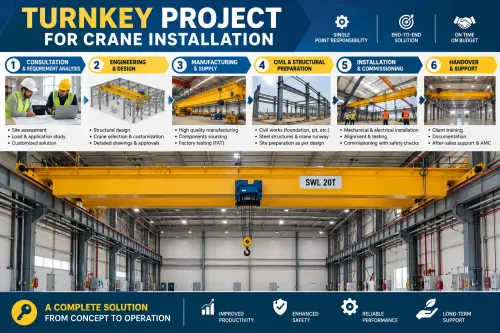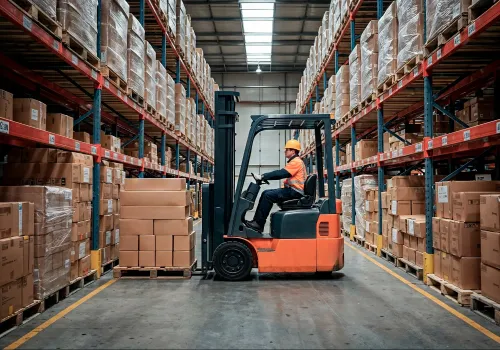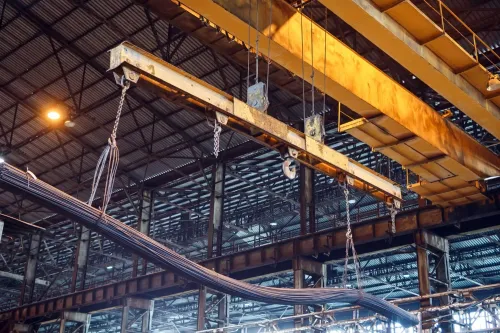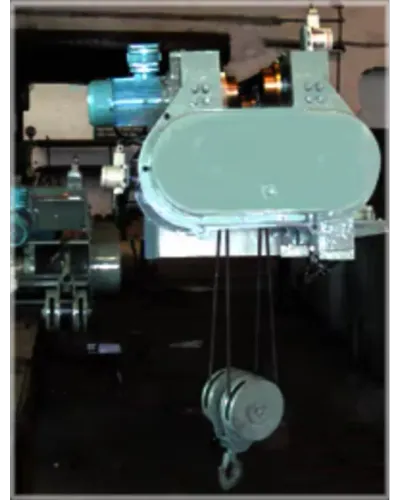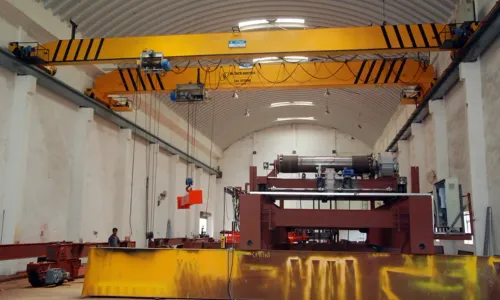
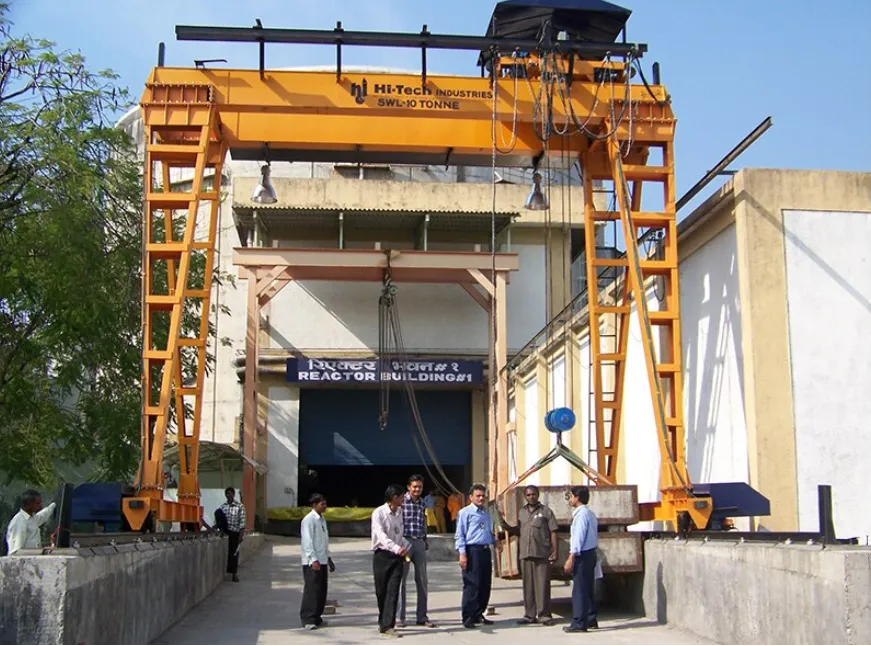
Moving heavy loads is a routine requirement in engineering plants, fabrication units, warehouses, assembly facilities, and manufacturing environments. When loads become too heavy, bulky, or repetitive for manual handling, cranes provide a controlled way to lift and transfer materials within the workplace.
For industrial businesses in Ahmedabad, Gujarat, selecting the right crane is not simply about maximum lifting capacity. The equipment must suit the load, operating area, lifting frequency, building structure, and production workflow.
Where Industrial Cranes Are Commonly Used
Different facilities use cranes for different purposes. A fabrication workshop may need to move steel plates between workstations, while a manufacturing plant may require regular handling of dies, machinery components, or finished assemblies.
Typical applications include:
- Loading and unloading heavy components
- Moving raw materials across production areas
- Handling machinery during installation
- Positioning fabricated structures
- Supporting assembly operations
- Moving maintenance equipment
- Transferring finished products
The correct crane arrangement can reduce unnecessary floor-level material movement and make better use of available overhead space.
Crane Selection Starts With the Load
Rated capacity is one of the first specifications to consider, but it should never be the only one.
The dimensions and shape of the load matter as well. Long fabricated sections, compact machine components, dies, motors, and irregular structures can require different lifting arrangements even when their weights are similar.
The required lifting height and horizontal travel distance also influence equipment selection.
Operating frequency is another important consideration. Equipment used occasionally for maintenance may have different requirements from a crane performing repeated production lifts throughout a working shift.
The Building and Working Area Matter
Crane planning should consider available headroom, column spacing, runway arrangement, floor activity, surrounding machinery, and possible obstructions.
In an existing factory, space restrictions can influence the practical crane configuration. For a new industrial facility, incorporating lifting requirements during the planning stage may provide greater flexibility.
Ahmedabad's diverse industrial environment includes engineering, manufacturing, fabrication, chemical, pharmaceutical, and processing operations. Each application can create different material movement challenges.
Better Planning Supports Better Material Flow
A well-planned crane system should fit into the production process rather than becoming an isolated piece of equipment.
Before finalising a system, businesses should clearly define load capacity, span, lifting height, operating frequency, movement requirements, environmental conditions, and future production needs.
HI-TECH INDUSTRIES works within the industrial lifting and material handling segment in Ahmedabad, where understanding actual operating conditions is an important part of equipment planning.
For factories evaluating cranes, the most useful starting point is therefore not simply asking, “What capacity do we need?” A better question is, “What exactly needs to move, where does it need to move, and how frequently will that happen?” Those answers provide a much stronger foundation for selecting an appropriate crane system.
Keywords