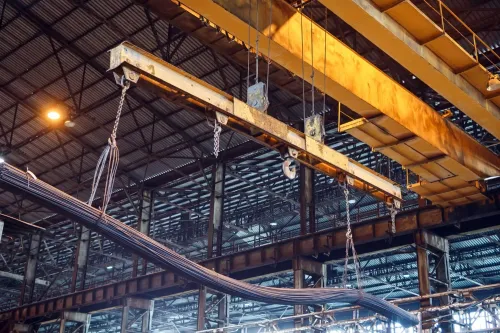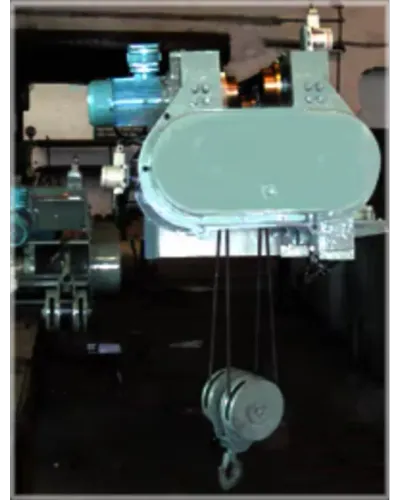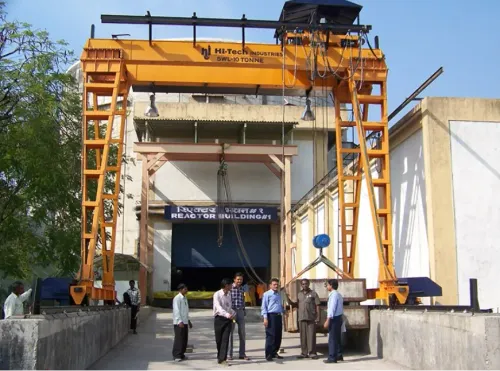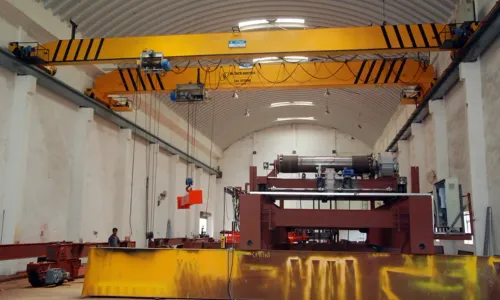
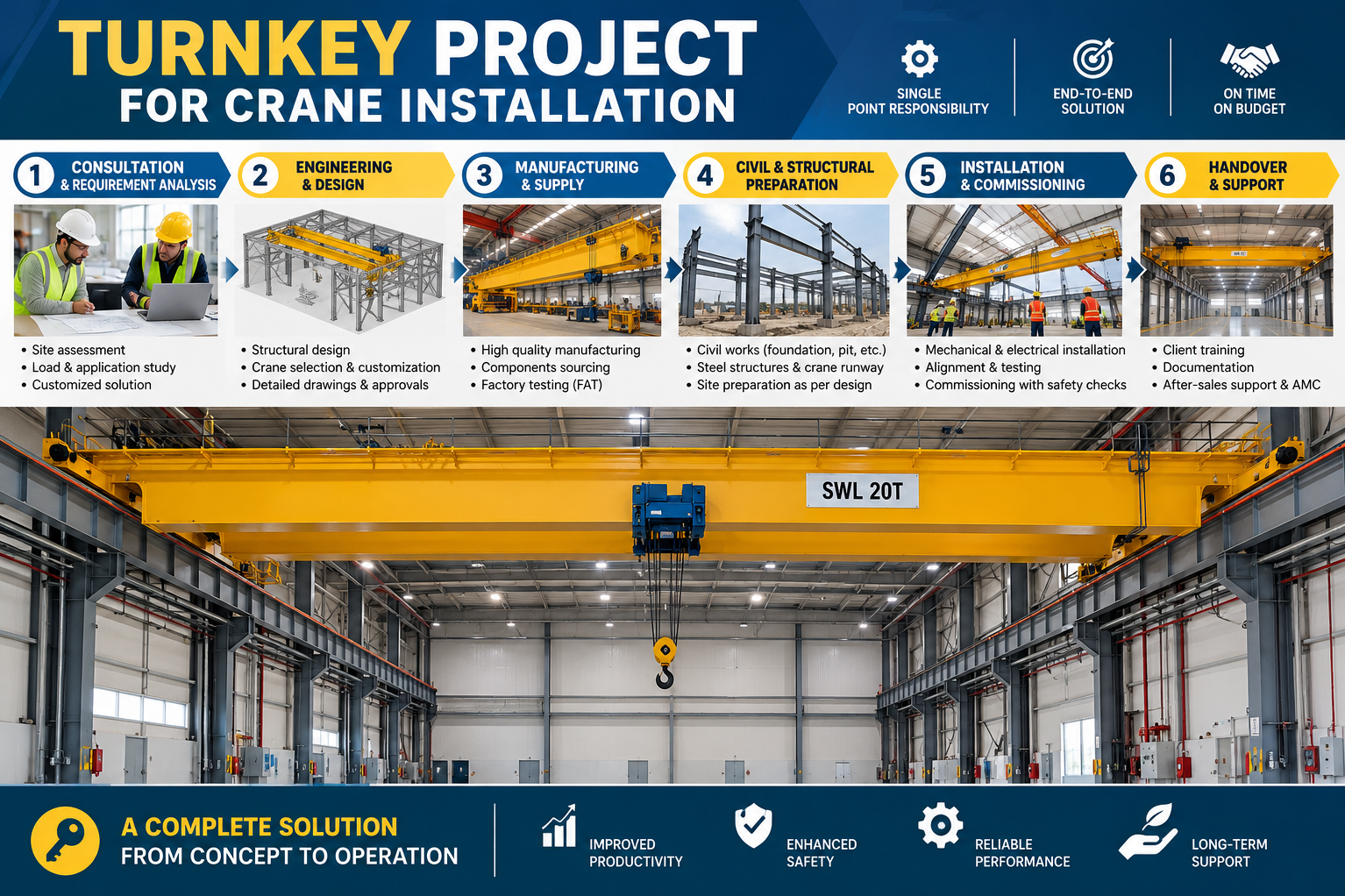
A Turnkey Project can simplify industrial crane implementation by bringing multiple stages of planning, engineering, equipment supply, installation, and commissioning under coordinated project execution.
For companies establishing or upgrading industrial facilities in Ahmedabad, Gujarat, this approach can be useful when the lifting requirement involves more than purchasing standalone equipment.
Understand What Turnkey Actually Includes
The term “turnkey” can mean different things depending on the provider and project scope.
Before comparing proposals, businesses should determine exactly which activities are included.
Depending on the project, the scope may cover:
- Requirement assessment
- Equipment selection
- Engineering and design
- Manufacturing
- Supporting components
- Installation
- Electrical integration
- Testing
- Commissioning
- Documentation
A detailed scope makes proposals easier to compare.
Clarify Responsibilities Early
Industrial projects often involve several parties, including civil contractors, structural consultants, electrical teams, equipment manufacturers, and plant personnel.
Unclear responsibility between these groups can create delays.
For example, the crane provider may require a particular runway or electrical provision, while another contractor is responsible for executing it. Unless responsibilities and technical interfaces are documented, problems may appear during installation.
Review the Site Before Finalising Specifications
Existing factories can have restrictions involving headroom, columns, roof structures, machinery layouts, access routes, and shutdown availability.
New projects offer more design flexibility but still require coordination with building plans.
A proper site assessment helps identify these constraints before equipment reaches the installation stage.
Compare Technical Scope, Not Just Total Price
Two turnkey quotations may look similar financially while covering very different equipment specifications and responsibilities.
Compare:
- Crane capacity and configuration
- Duty requirements
- Hoist specifications
- Travel arrangement
- Electrical scope
- Installation responsibilities
- Testing and commissioning
- Documentation
- Service support
This provides a more meaningful comparison than looking only at the final amount.
Plan for Operations After Commissioning
A project does not end when the equipment begins operating.
Inspection, maintenance access, spare parts, operator requirements, and service support should be considered while the system is being planned.
HI-TECH INDUSTRIES undertakes industrial lifting and material handling requirements in Ahmedabad, where turnkey execution may be appropriate for businesses seeking coordinated implementation.
For procurement teams, project engineers, and factory owners, the strongest turnkey proposal is usually the one with the clearest technical scope.
Before issuing an order, ensure that equipment specifications, exclusions, site responsibilities, installation requirements, testing procedures, and post-installation expectations are clearly understood. That preparation can significantly reduce ambiguity as the project progresses from engineering to actual operation.
Keywords