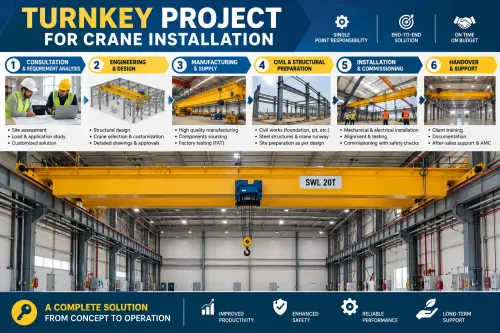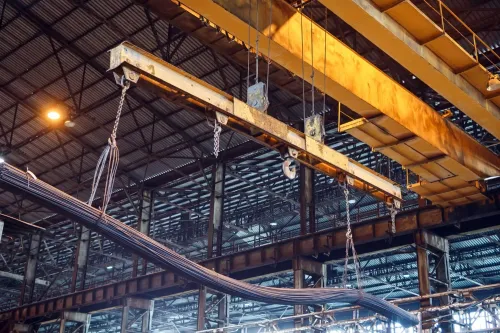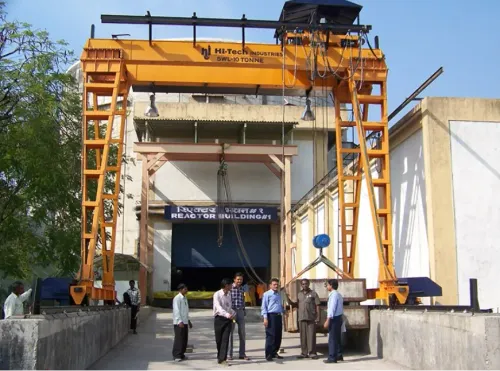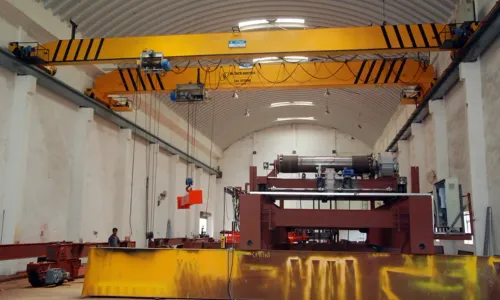
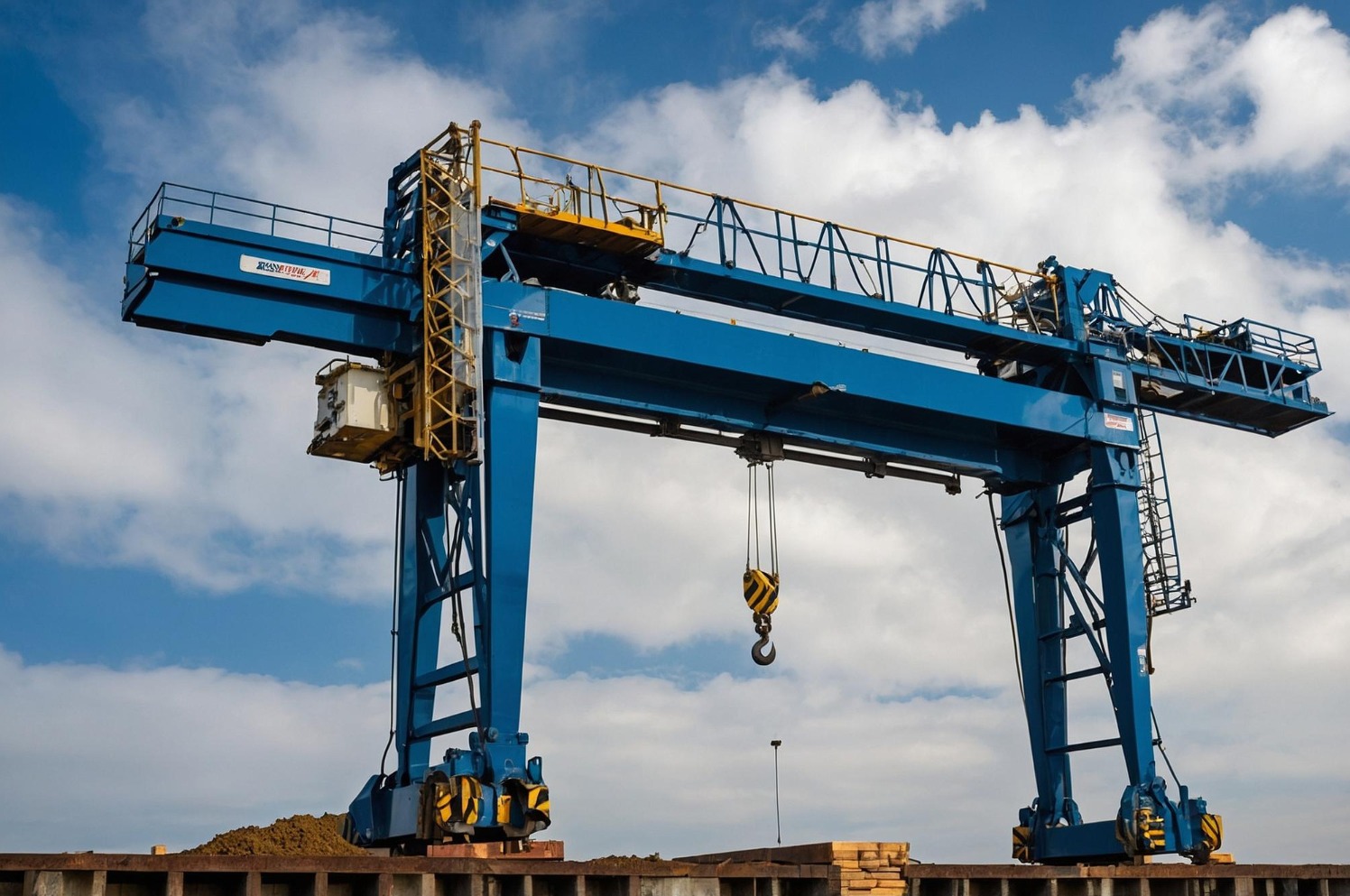
For factories where heavy loads must move vertically and horizontally across a production bay, EOT Cranes can provide an effective overhead handling solution. EOT refers to Electric Overhead Travelling, describing a crane configuration commonly used in manufacturing, engineering, fabrication, assembly, maintenance, and heavy material handling.
Selecting one requires more than choosing its tonnage.
Define the Working Capacity
Start with the maximum load the crane will actually handle.
The expected load spectrum and frequency of operation are equally relevant. A crane occasionally lifting a heavy component does not necessarily have the same operating requirement as one repeatedly moving loads throughout multiple shifts.
Provide the manufacturer with realistic operational information rather than only maximum capacity.
Measure Span and Lifting Height Correctly
Span generally relates to the distance covered by the crane bridge between its supporting runway arrangements.
Lifting height determines the required vertical movement of the hook.
Factory dimensions, available headroom, obstructions, machinery height, and required hook approach can influence the final configuration.
Accurate site measurements are therefore essential.
Consider the Required Movements
An EOT system typically provides lifting along with cross travel and long travel, allowing loads to move across a defined working area.
Think about where materials enter the bay, where they are processed, and where they leave.
The crane should support the actual production sequence rather than forcing operators to create unnecessary intermediate handling steps.
Review the Operating Environment
Manufacturing conditions differ significantly.
Dust, heat, moisture, outdoor exposure, process conditions, and hazardous areas may affect equipment requirements. Inform the crane manufacturer about unusual environmental conditions during the initial technical discussion.
Compare Suppliers on Technical Details
When evaluating EOT Cranes, compare more than quotation totals.
Ask about:
- Design and capacity
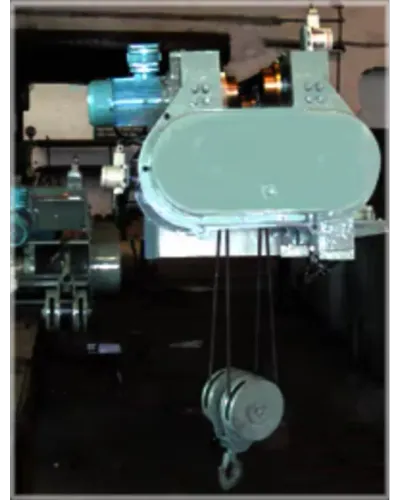
- Hoisting arrangement
- Duty requirements
- Motors and brakes
- Control arrangement
- Safety features
- Installation scope
- Testing and commissioning
- Maintenance accessibility
- After-sales support
A detailed comparison reduces the risk of choosing equipment based on incomplete specifications.
Ahmedabad and the surrounding Gujarat industrial belt include a wide variety of engineering and manufacturing operations, making application-specific crane selection particularly important.
HI-TECH INDUSTRIES works with industrial crane and material handling requirements in Ahmedabad and can assess specifications according to the intended application and site conditions.
Before requesting a final quotation for an EOT crane, prepare a basic requirement sheet covering capacity, span, lifting height, operating hours, movement requirements, site conditions, and installation location.
That information helps manufacturers develop a proposal around the actual factory requirement rather than a generic crane specification.
Keywords